Turn more declines into approved payments.
A good customer gets declined, and the sale is gone. Smarter routing, retries on another provider and clear decline insight help more of your payments go through, all on one integration.

One integration. Every provider you already trust.








Stop letting one provider decide your sales.
With a single provider, a decline is final. Your customer was ready to pay, and nothing in your setup gives the payment a second chance.


More ways for a payment to get approved.

Start on a smarter route
Before a payment goes out, routing weighs country, currency, amount, method, cost and how each provider has been performing, together with your own rules. Each payment starts on a route picked for it, instead of a default.

A no gets a second shot
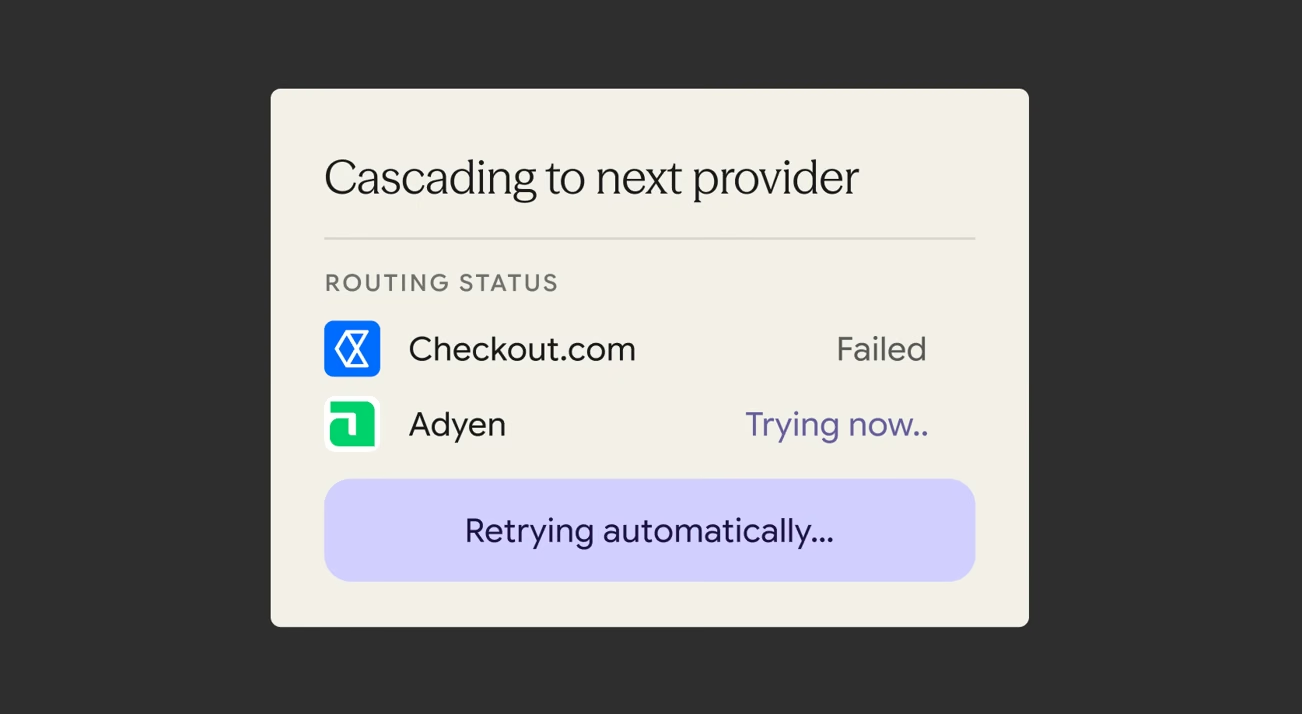
If a provider declines a payment that can be retried, or fails to respond, the payment can cascade to the next eligible provider. Your customer just sees the checkout carry on.

Their bad hour stays theirs
Provider health is tracked in real-time. When a provider starts failing, it is taken out of rotation and your traffic moves to the others, then it is brought back once it recovers.

See what is behind your declines
Provider responses are interpreted and classified into plain language, with each attempt for a payment on one timeline. Use what you find to fine-tune your routing rules and fix the issues within your control.
Watch a declined payment come back.
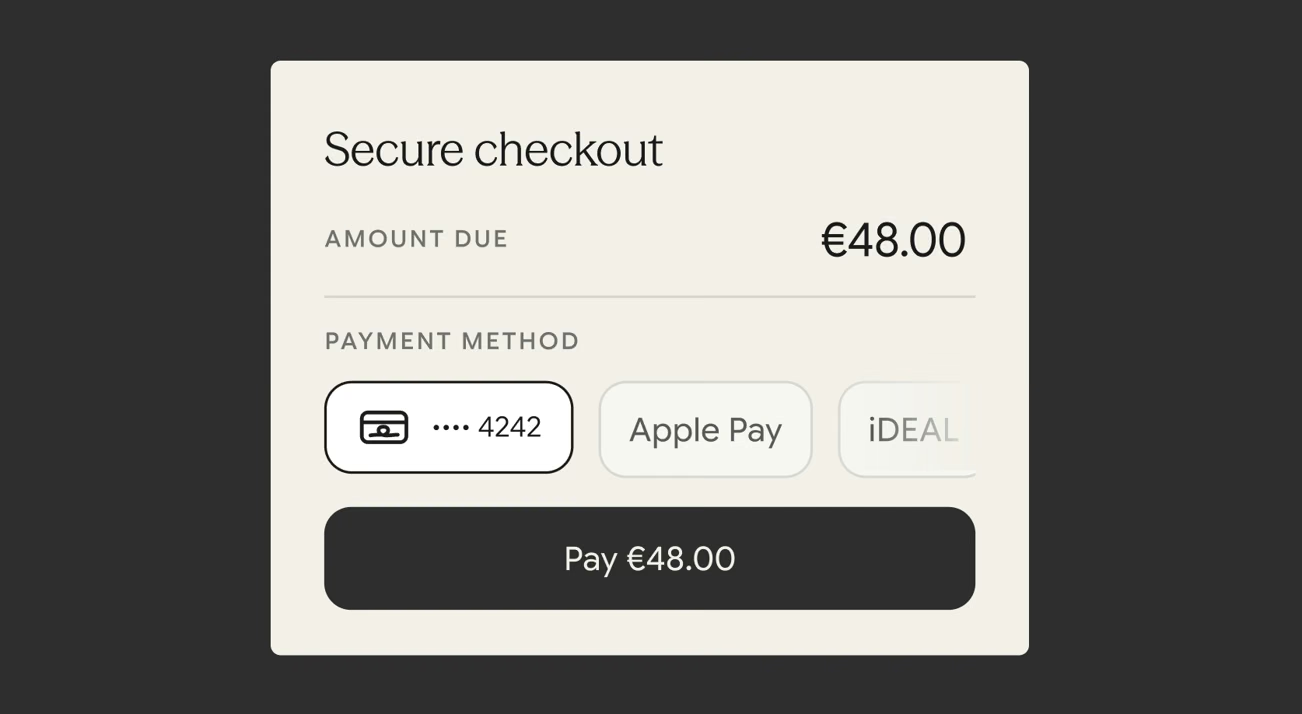
Payment attempted
Your customer pays at checkout.
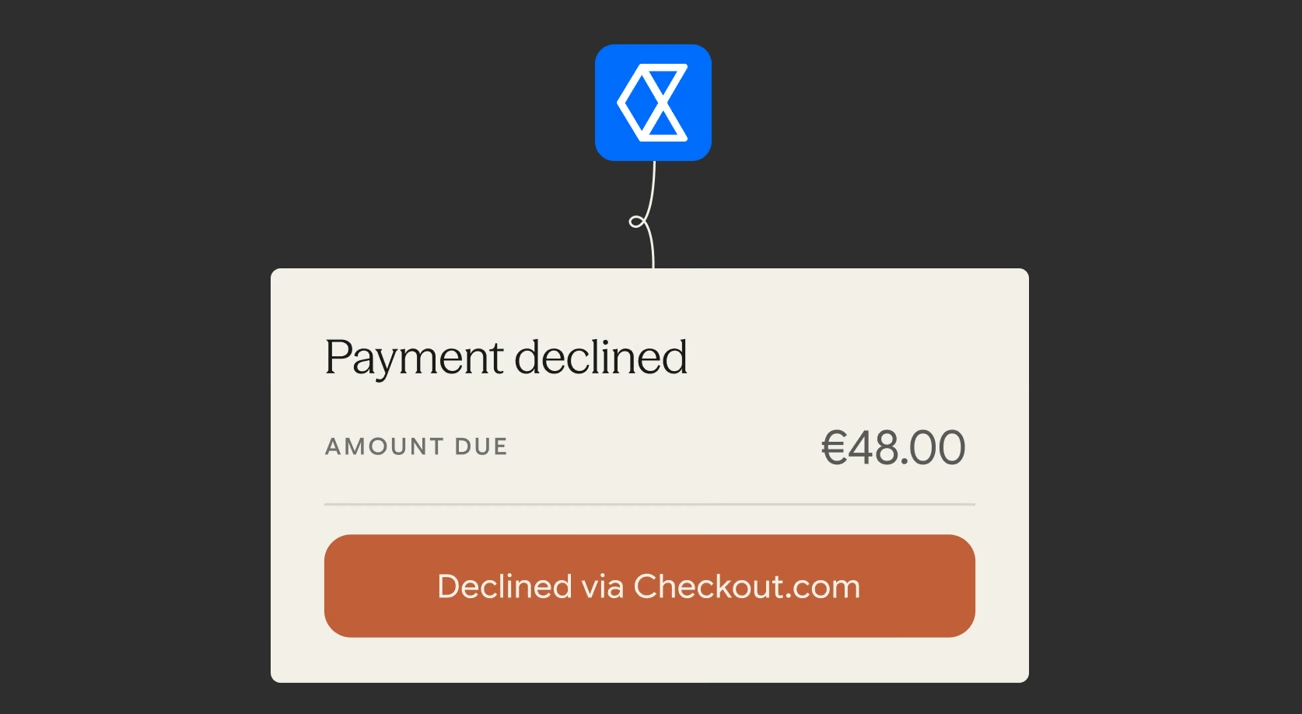
Provider A declines
It’s an eligible decline, so it doesn’t end there.
12:04:32
The payment cascades
Next eligible provider chosen.
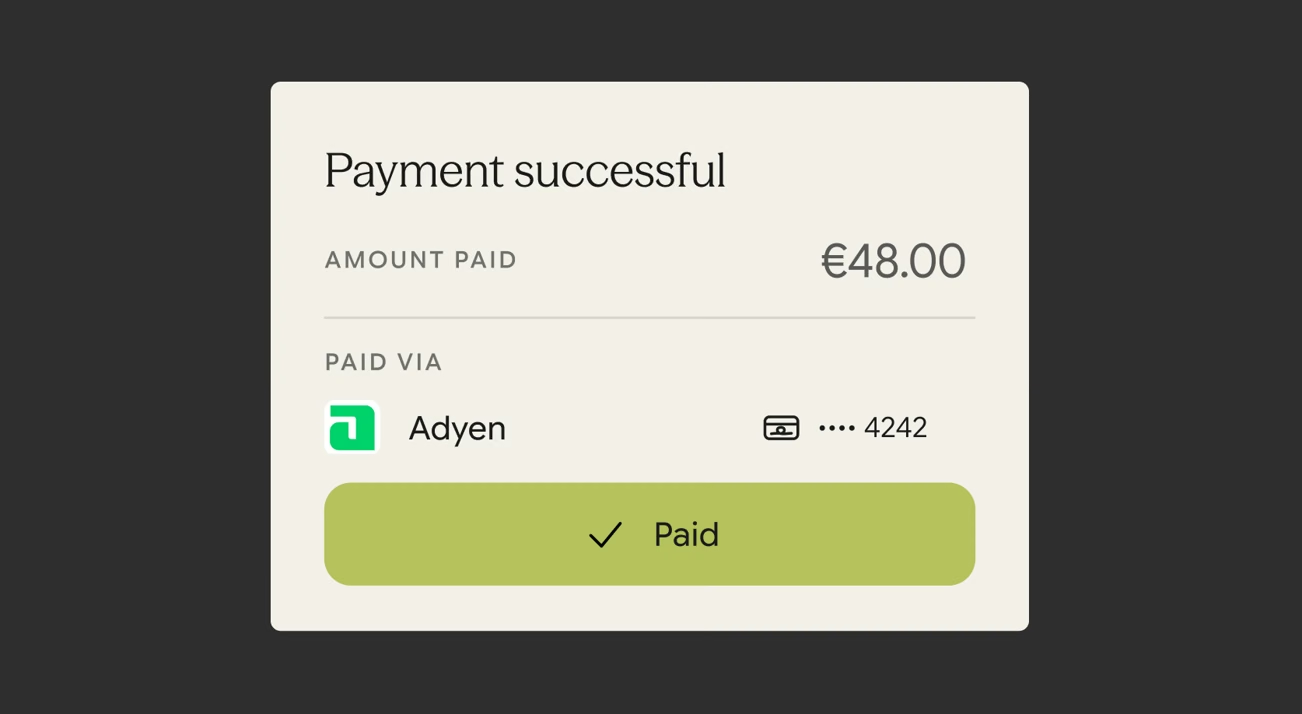
Provider B approves
Your customer made a single attempt, approved.
Trust you can check.

PCI DSS Level 1
Independently certified for card security.

Data protection & Privacy
Built for UK and EU privacy rules.

Fraud & Risk Checks
Suspicious payments flagged. Good ones keep moving.

Explainable AI
Each decision explained, each action on record.
You know your industry. We know how it pays.
Routing, methods and retries tuned to your business, so more of your payments go through.

eCommerce

Marketplace

Fintech & Crypto

Digital Entertainment

Travel
FAQ
Checkout, methods, cards, and local payment flows.
What is a payment approval rate?
It is the share of attempted payments that get approved. If 100 customers try to pay and 92 payments go through, your approval rate is 92%. Each declined payment in that gap is a customer who wanted to buy.
Why do good customers get declined?
Plenty of declines have nothing to do with the customer. A provider might time out or go down, an issuer might flag a cross-border payment as unusual, or a particular route might simply perform worse for that card type or country. With one provider, each of these ends the sale.
How does payment routing increase approval rates?
Routing looks at factors like geography, currency, amount, method, cost and provider health, together with your own rules, to choose where each payment goes. If that route fails, the payment can cascade to another connected provider. Starting on a better-suited route, with a backup ready, gives more payments a realistic chance of approval.
What is the difference between a soft decline and a hard decline?
A soft decline is usually temporary, such as a timeout, a provider outage or an issuer's risk check. These can often succeed on a retry. A hard decline, such as a reported stolen card or an invalid card number, will not succeed however many times you try.
Are all declined payments retried?
No. Only declines that can be retried cascade to another provider. Retrying hard declines does not help your customer and can draw unwanted attention from card schemes, so those are left alone.
Will my customer be charged twice if a payment is retried?
A cascade only starts after the previous attempt has been declined or has failed, so your customer pays once, for the attempt that gets approved.
Will my customers notice a retry?
No. The retry happens in the background while your customer is still at checkout. They just see their payment go through.
How many payment providers do I need?
At least two connected providers, so a declined payment has somewhere else to go. More providers and local payment methods give routing more options in more markets.
Can I see why my payments are declined?
Yes. Provider responses are classified into a common set of decline reasons, with each attempt for a payment on one timeline. Some responses come back as a bare "declined" with no further detail, and those are shown as received.
Do I keep my contracts with my payment providers?
Yes. You keep your own provider contracts. Your providers process and settle your payments directly with you, and your funds never pass through Upprove.


Give your next declined payment a way back.
Your next declined customer does not have to walk away. Book a call to find out where your payments get stuck, and how to get more of them through.