Each payment's full history, in one place.
Attempts in one portal, refunds in another, webhooks somewhere else. Bring all your payment data into one place, from the first attempt to the money in your bank account, so your ops and finance teams get answers fast.

Your providers, finally all on the same team.








Fewer tabs, more answers.

The whole journey, on one screen.
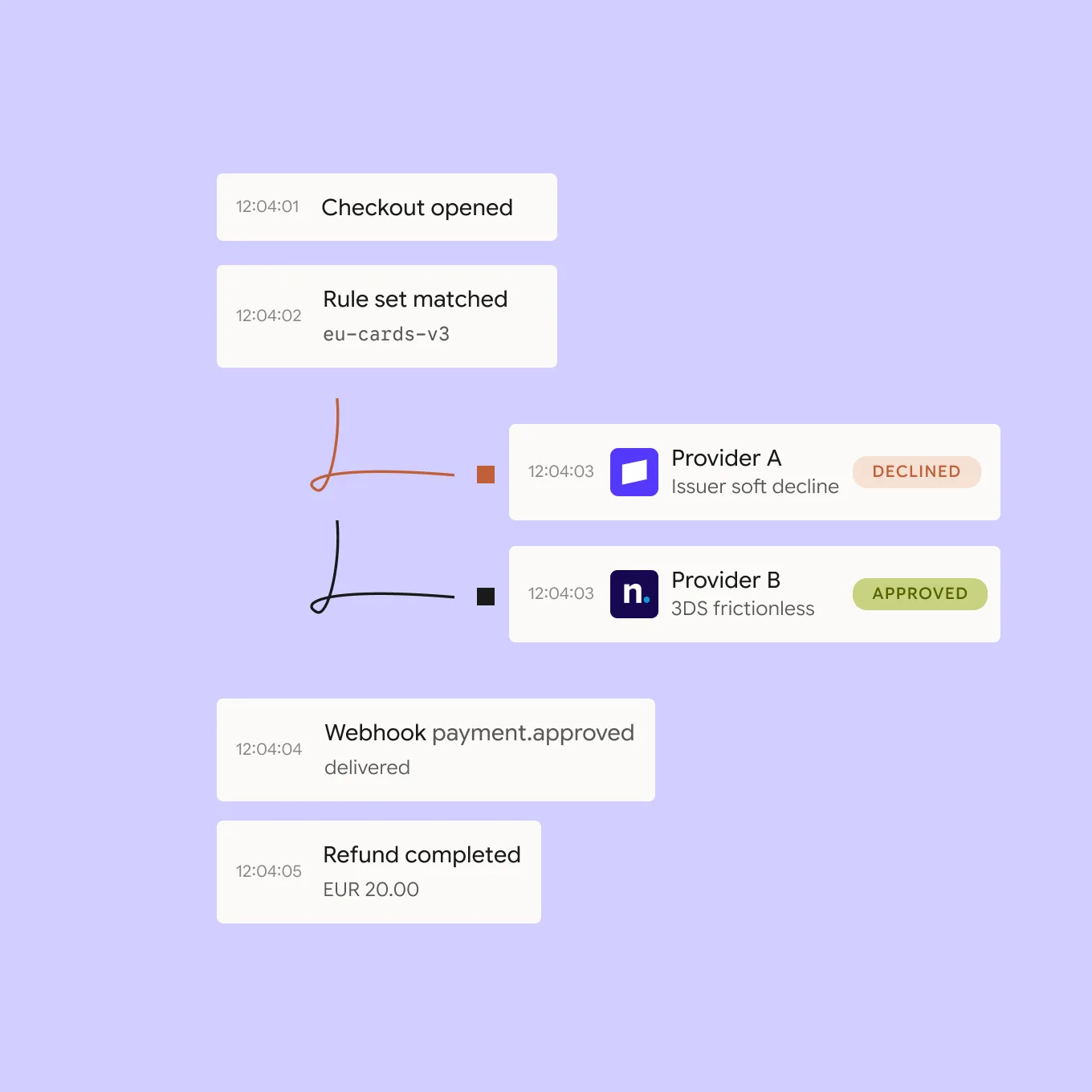
Attempts, routing decisions, provider responses, retries and the final result, in the order they happened.

One login for all your providers.
Payments, customers and refunds across your connected providers, without hopping between dashboards.

Missed webhook? Find it fast.
See what was sent to your system, whether it arrived, and resend it if something went wrong.

Data your finance team can use.
Export payment data straight into the reconciliation, accounting and analytics tools your team already works in.

Know what reached your bank.
Each payment, matched to what your providers paid out. Anything missing or unexpected stands out at a glance.
The answers your ops and finance teams keep asking for.
Five views that turn scattered provider data into one clear record.
Payment timeline
Open a payment and see its full history across your connected providers: each attempt, routing decision, provider response and retry, right through to the final result. When a customer asks whether their payment went through, the answer is one click away.
Payments and refunds
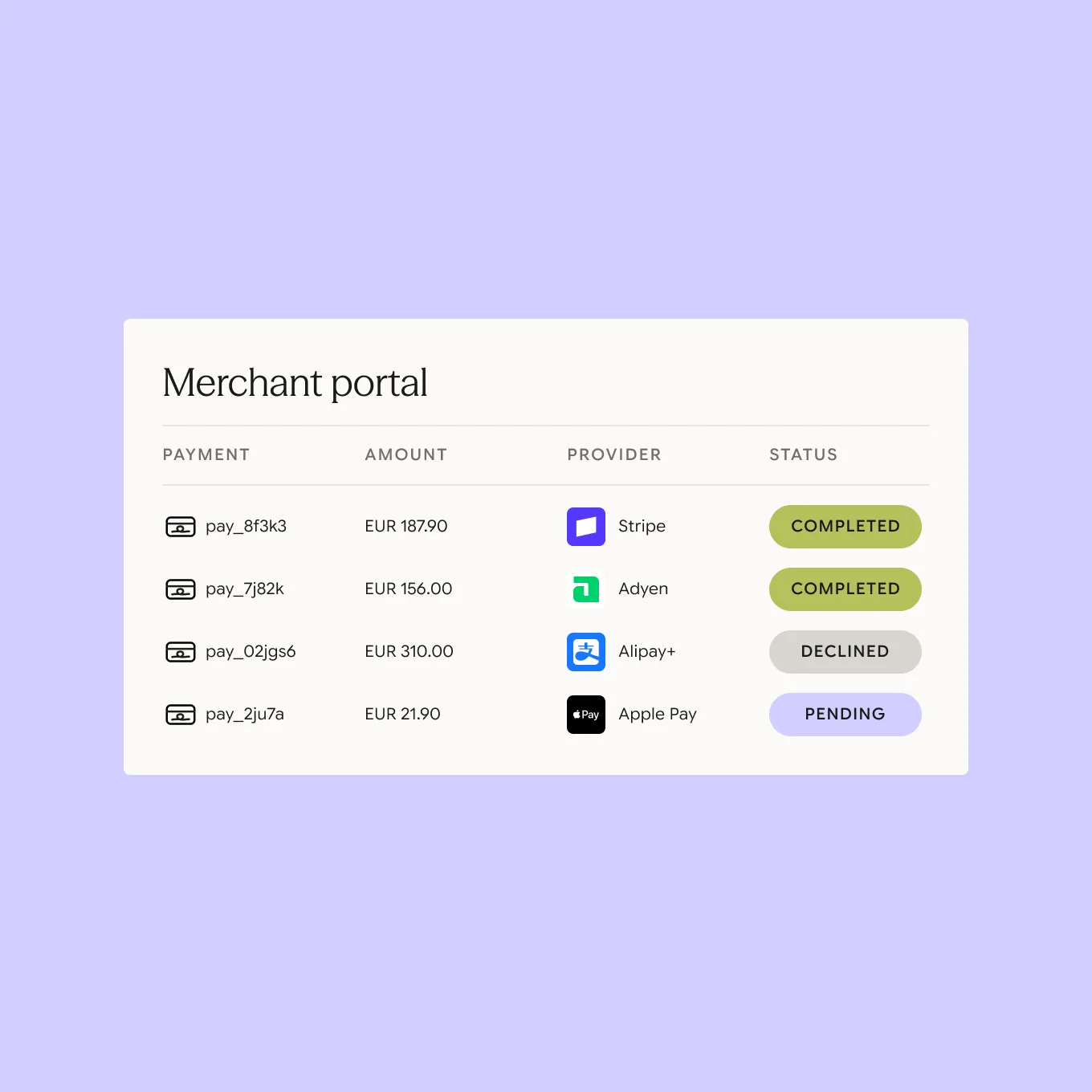
Look up transactions, find customers and issue refunds across your connected providers from the merchant portal. One request no longer means logging into three different provider accounts.
Webhook delivery history
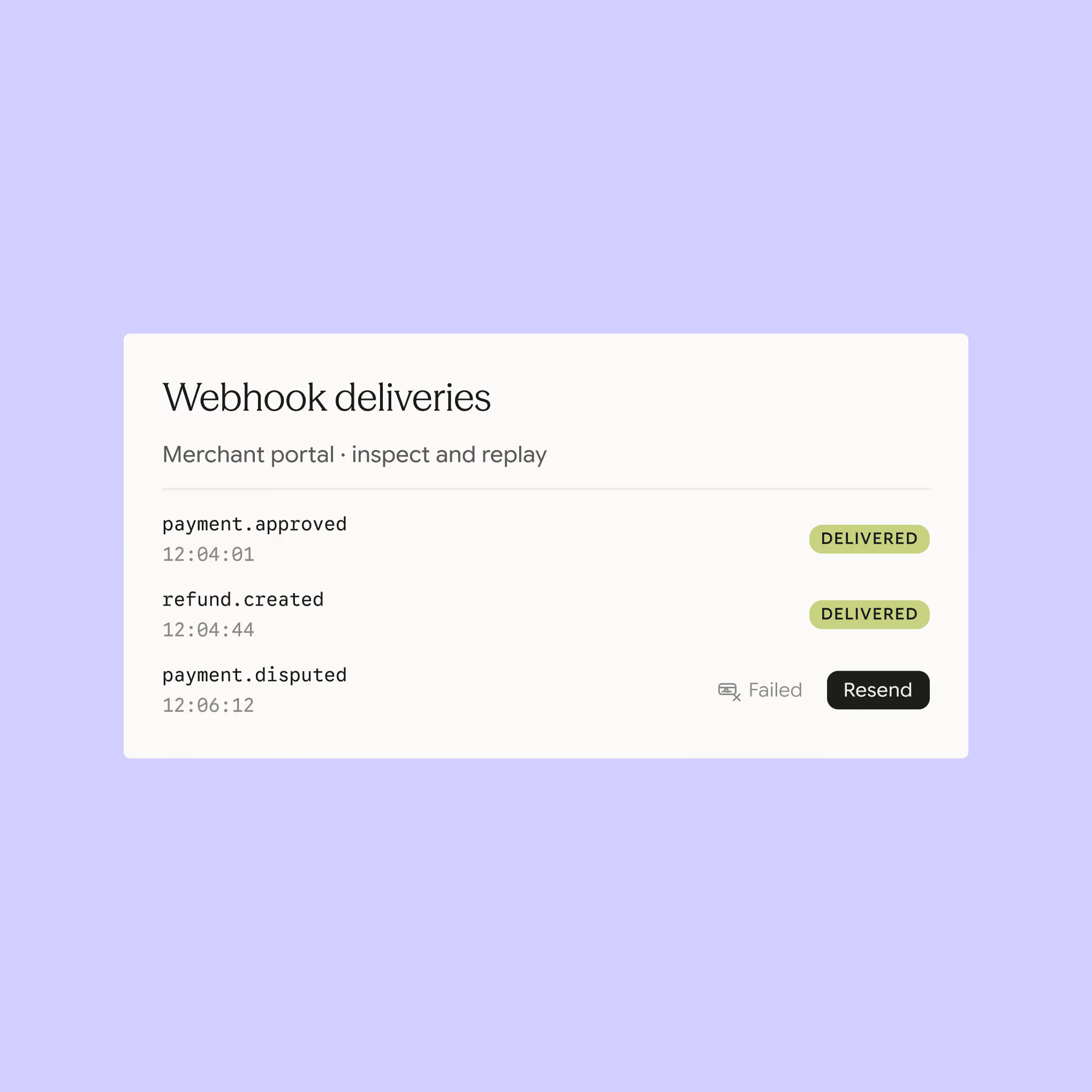
Check the notifications sent to your systems, inspect their delivery history and resend one when your endpoint missed it. Handy when an order shows as unpaid on your side but paid at the provider.
Data exports
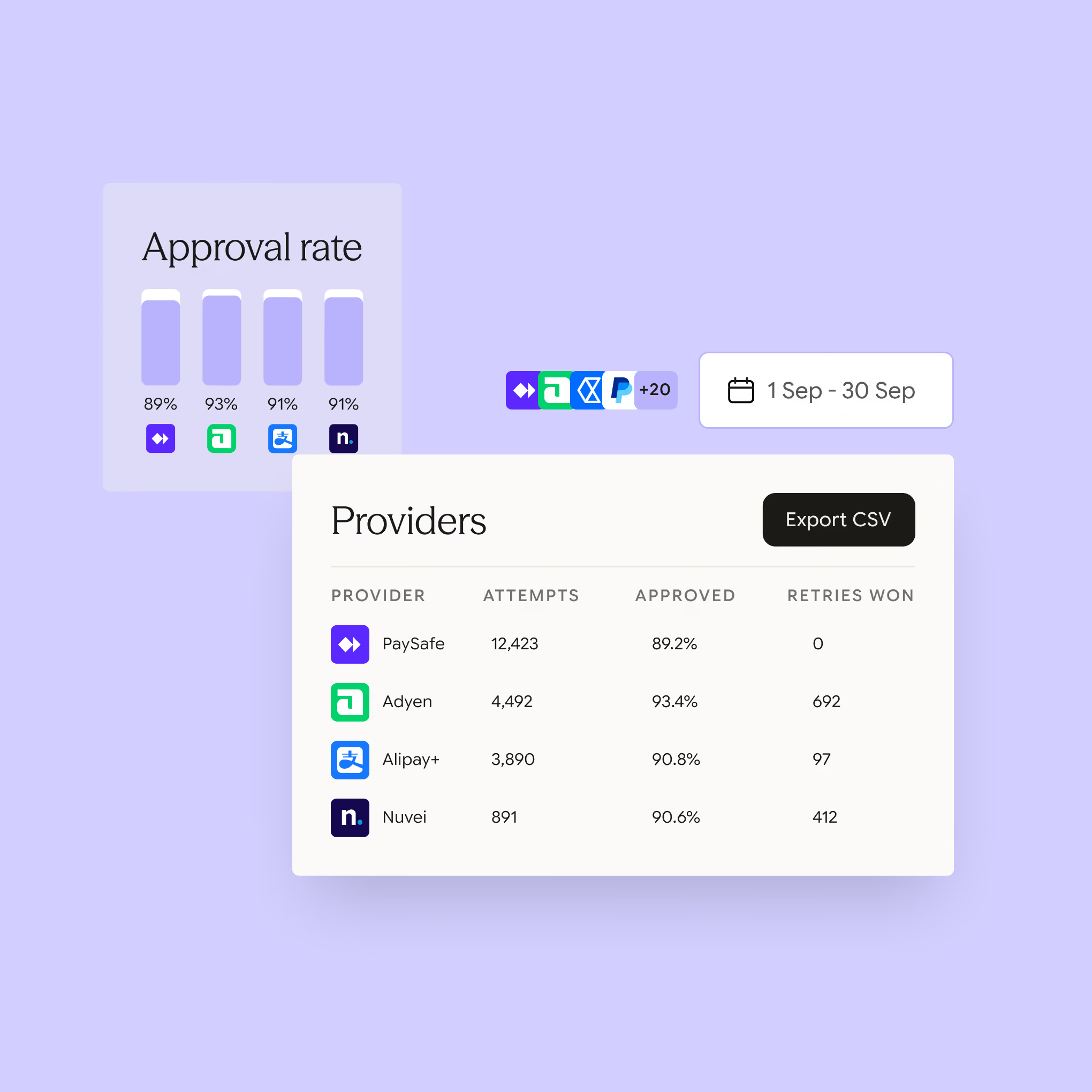
Pull transaction data from one consistent source across providers, ready to match against your provider settlement reports and drop into your accounting or analytics tools. Month-end gets a lot shorter.
Payment reconciliation
See each payment next to what your provider settled, fees included. Mismatches and missing settlements stand out, so your finance team knows what to chase before month-end.
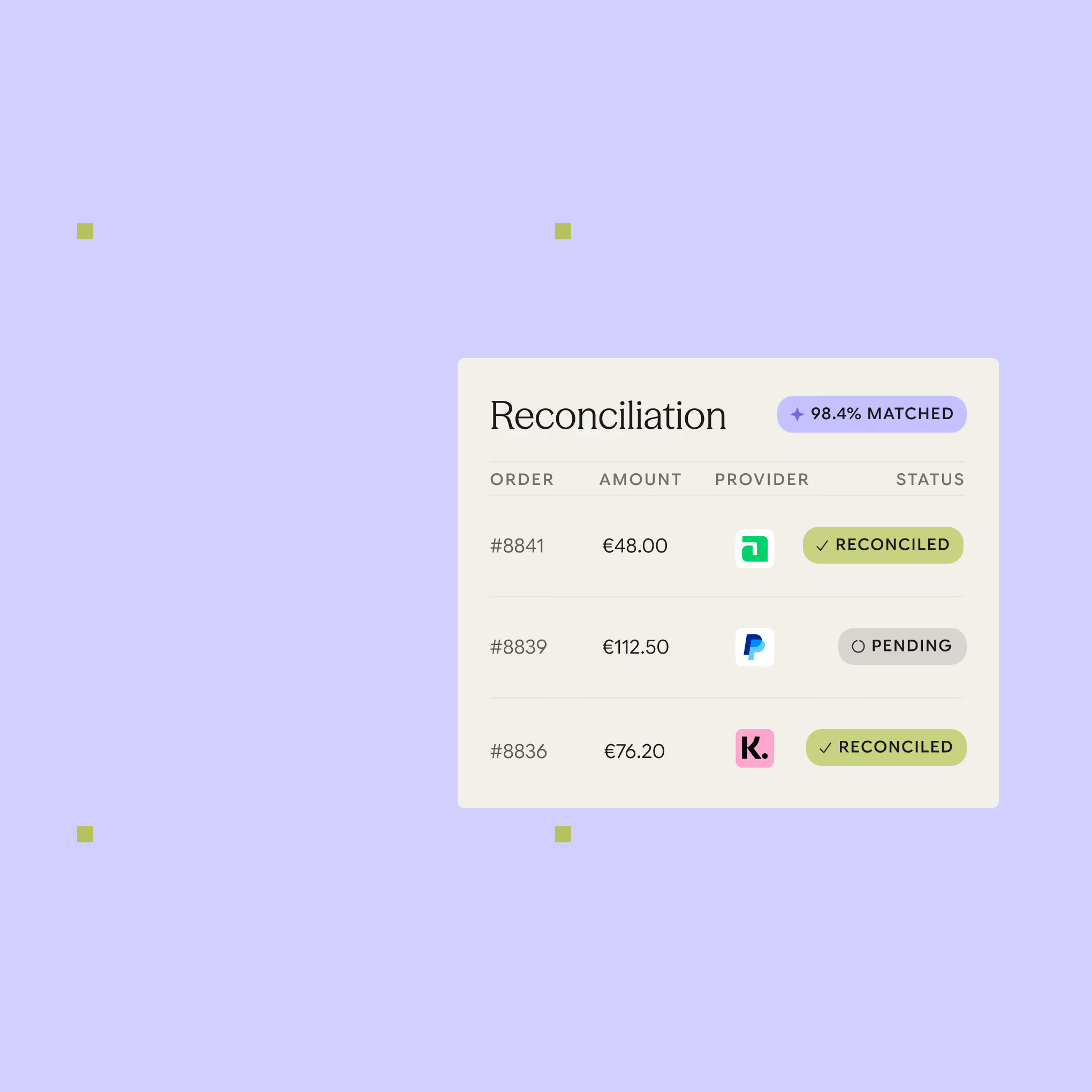
Each step, recorded as it happens.
Attempts, retries and results are added instantly, so the full record is ready before anyone asks for it.
01 — Attempt
Your customer pays. The transaction goes to the provider your rules point to, and a single record starts tracking it.
02 — Route & retry
Routing decisions, provider responses and any retries on other providers are added to the same record in real time.
03 — Settle & reconcile
The payment is approved and then reconciled straight away, with fees reflected on the same record. Your provider settles - the settlement is added to the record, so your finance team sees the full picture without chasing reports.
04 — Review
Your team opens one record and sees the full story, without stitching it together from several provider portals.

Everything it takes to get to Yes.
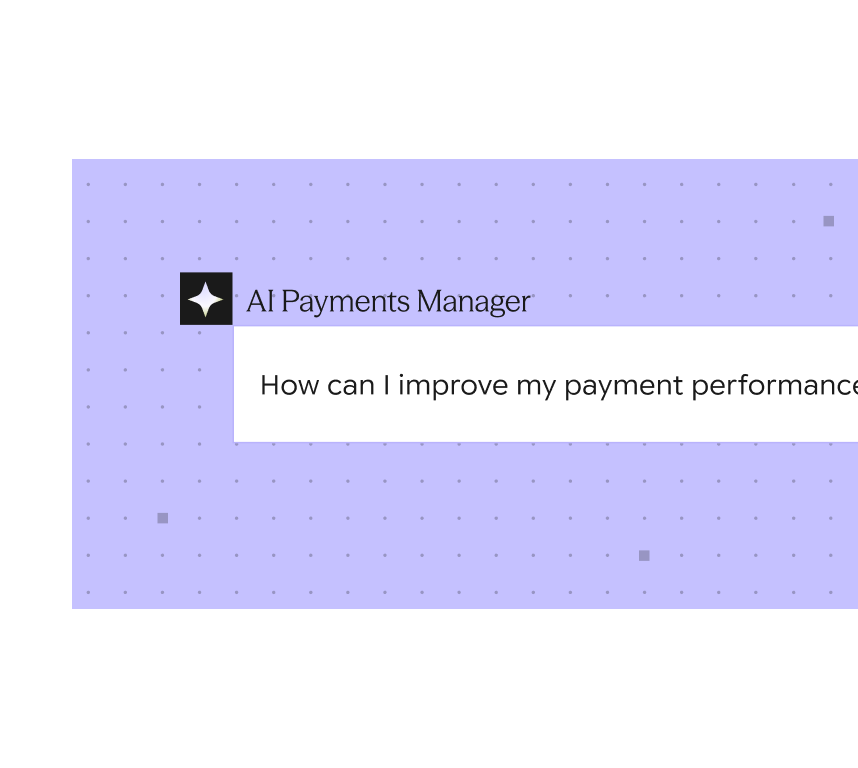
AI Payments Manager
Explains your payments, gets more of them through on its own and shows you where to grow, all within your rules.
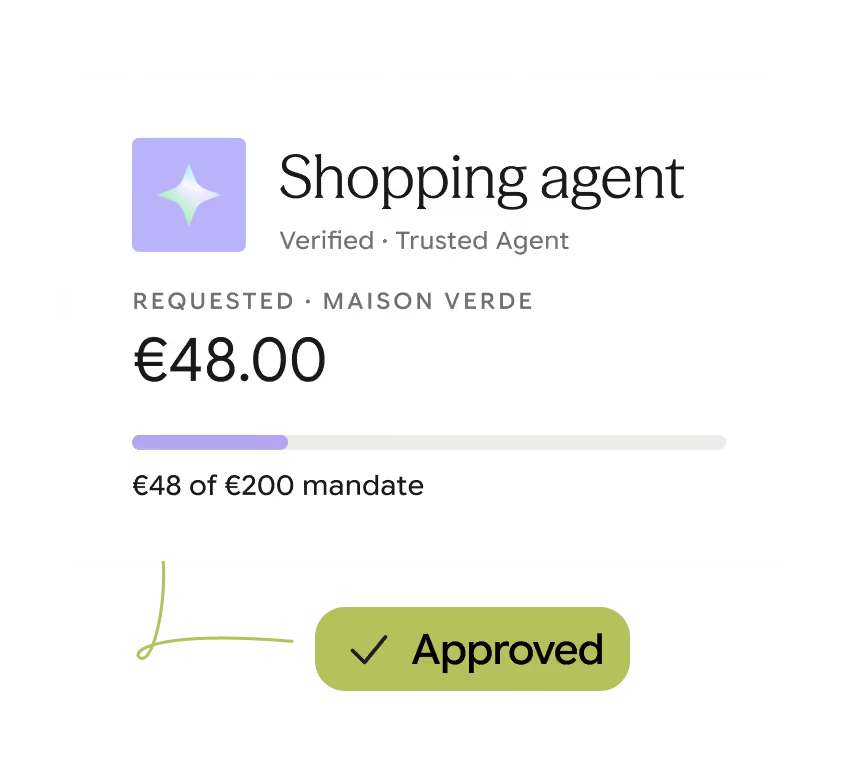
Agentic Commerce
Gets your checkout ready for AI shoppers through the integration you already have. Agents are verified, spending limits respected, and the setup handled for you.
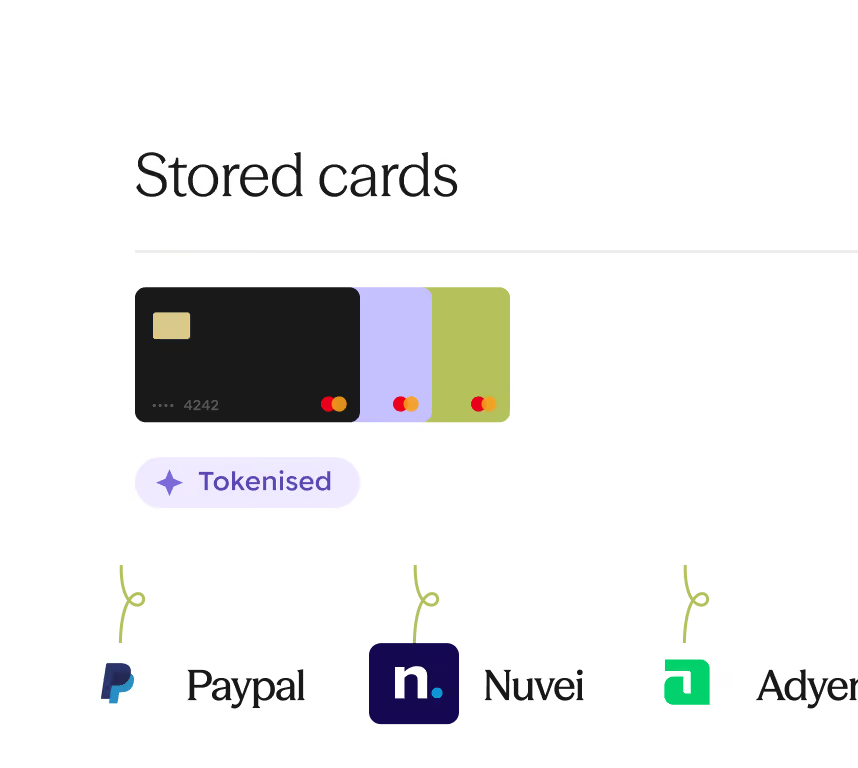
Tokenisation & Real-time Updaters
Tokenisation & Real-time Updaters keep stored cards yours when providers change.
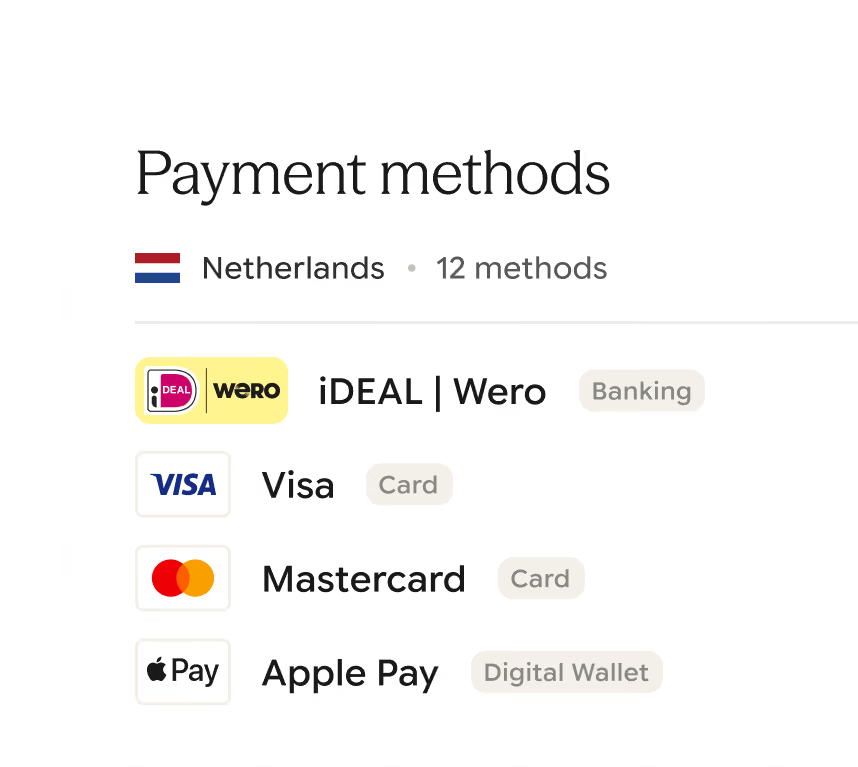
Checkout & Payment Methods
Checkout & Payment Methods gives every market the ways it already pays.
Frequently asked questions
What is payment reconciliation?
Payment reconciliation is the process of checking that the payments you recorded match what your payment providers processed and paid out to your bank account. It catches missing settlements, duplicate charges, unexpected fees and refunds that never went through.
Why is reconciliation harder with multiple payment providers?
Each provider uses its own data format, its own transaction references and its own settlement schedule. With two or three providers, your team ends up matching several different reports against your own records, often by hand in spreadsheets. Bringing provider data into one consistent record removes most of that matching work.
How does payment orchestration help with reconciliation?
When all your providers connect through one integration, the transaction data from each of them lands in the same format and the same place. Your team works from one record per payment, instead of exporting and cleaning up a separate report from each provider. Payment processing, acquiring and settlement stay with your contracted providers, who pay you directly.
What can I see in the merchant portal?
Transactions with their full timelines, customers, refunds, provider connections, payment method settings, routing rules, webhook deliveries, API credentials and team management, all across your connected providers.
Can I see attempts across different providers in one transaction?
Yes. If a payment is retried on a second provider, both attempts appear on the same transaction timeline, along with each provider’s response and the final outcome.
What happens if a webhook fails to reach my system?
You can see each webhook sent to your systems, check its delivery history and resend it from the portal once your endpoint is back up. No support ticket needed.
Can I export my payment data?
Yes. You can export transaction data from the merchant portal for reporting, reconciliation and analysis in the tools your team already uses.
Why does the amount my provider paid out not match my sales?
Usually because providers pay out net of their fees, on their own settlement schedules, and with refunds or chargebacks deducted later. Having each transaction, refund, settlement and fee in one record makes those differences much easier to trace.
What is the difference between payment reconciliation and bank reconciliation?
Bank reconciliation matches your accounts against your bank statement. Payment reconciliation goes one step earlier, matching each sale against what each payment provider actually processed and paid out. With several providers, payment reconciliation is usually where the time goes.


Get the full story behind your payments.
Connect your providers once, and see each payment from first attempt to final result, in one place.