Saved cards that follow you to any provider.
Cards are stored once as tokens you control, and updated automatically when they expire or change. So you can switch providers freely, without asking customers to re-enter a thing.

Your providers, finally all on the same team.








Switching providers shouldn't mean starting over.

Saved once, used again
Card details captured once and kept in your vault, ready for the next purchase.

One token, any connected provider
The same token works across the providers you connect, so your routing is never stuck with just one of them.

Customers who move with you
Change or add providers whenever the terms suit you. Returning customers keep paying without re-entering their card.

Card numbers off your servers
Card details stay out of your systems, so there’s less to secure and less PCI compliance work for your team.
Built so your customers' cards can move when you do.
Three parts, one job: making sure the card your customer saved is ready for their next purchase.
Own vault
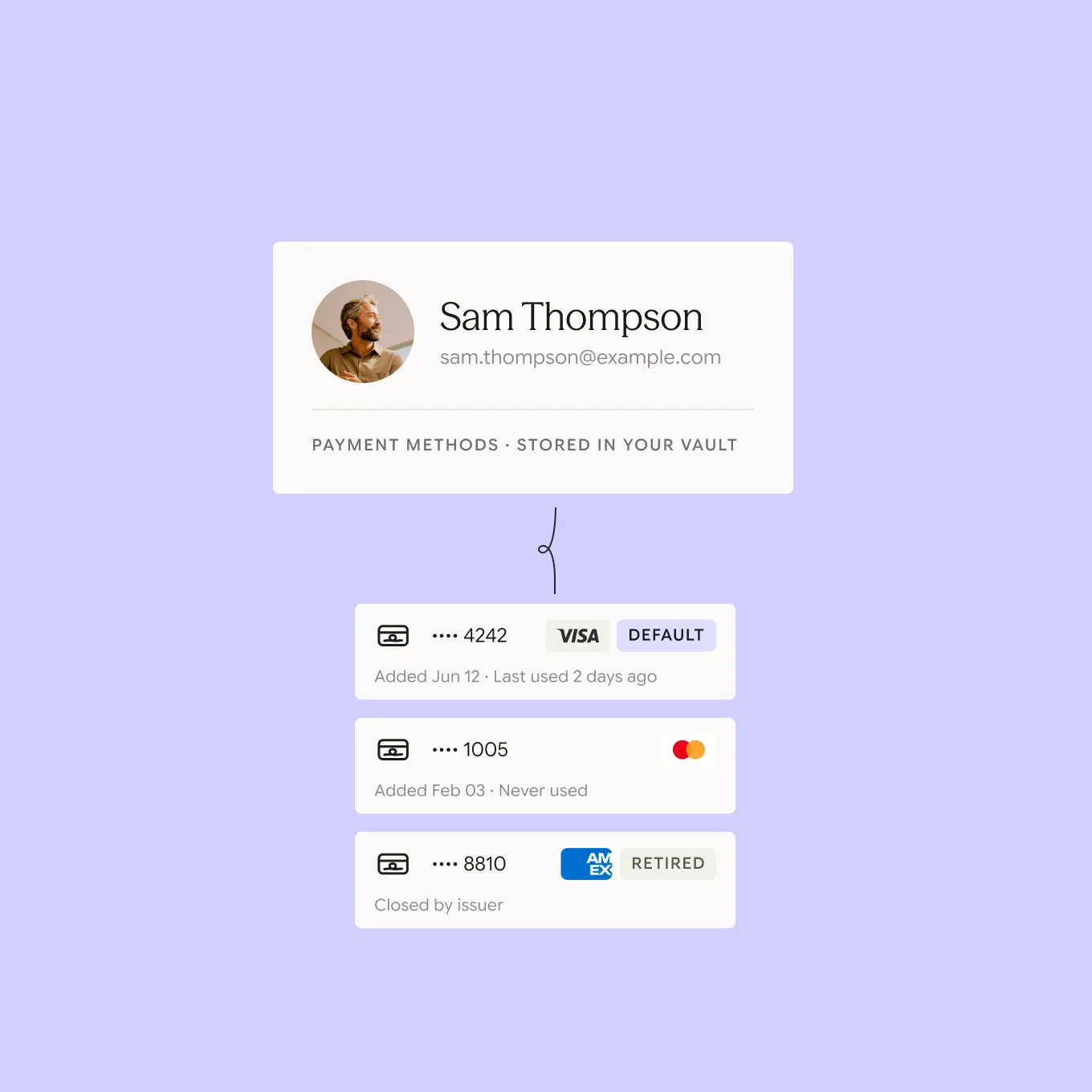
Card details captured at checkout go straight into an encrypted vault, with the encryption keys managed inside an isolated card environment. The stored cards belong to your business, whichever provider handled the first payment.
Portable payment tokens
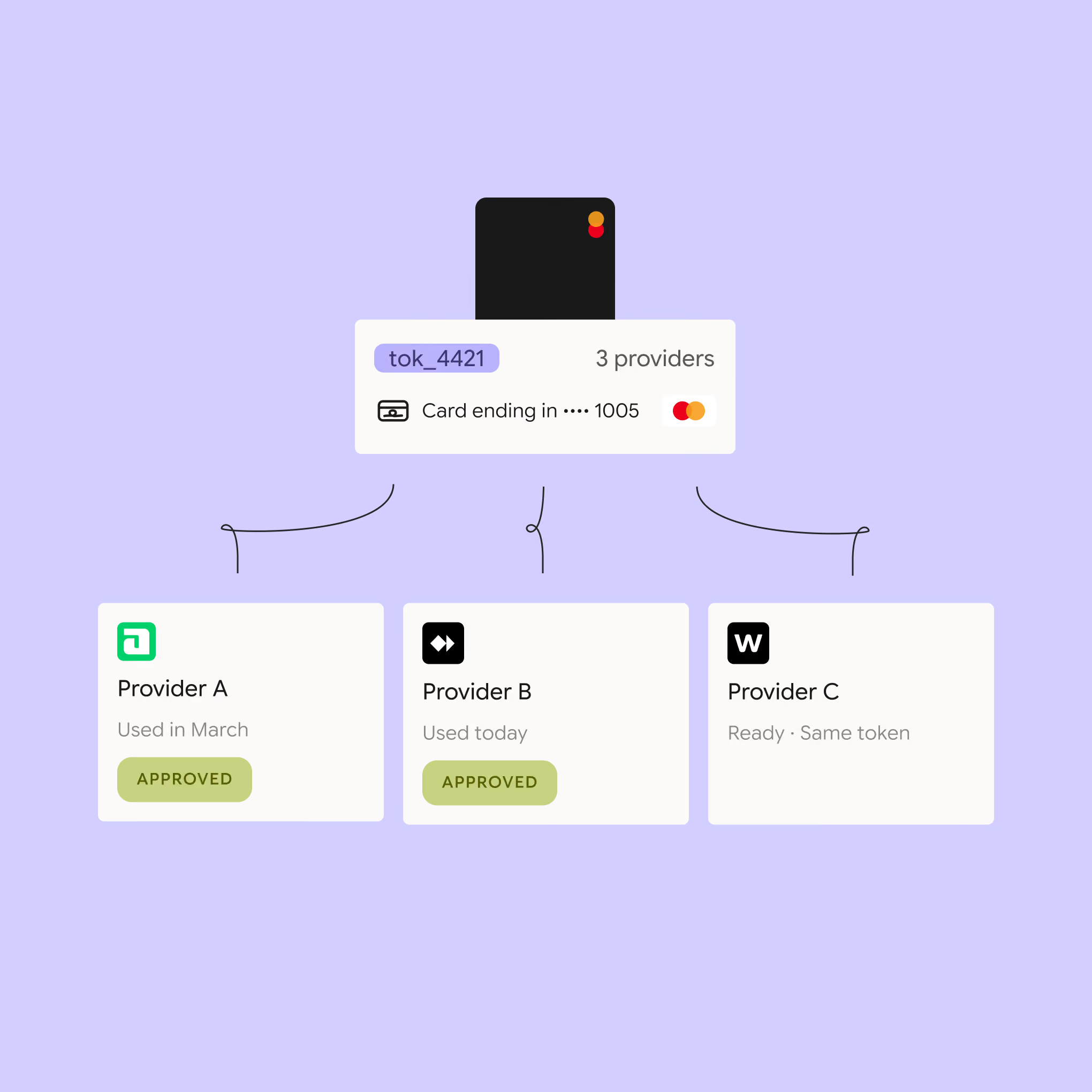
You get back a token that stands in for the card and works across your connected providers. The card updates automatically when the bank reissues it.
Secure card fields
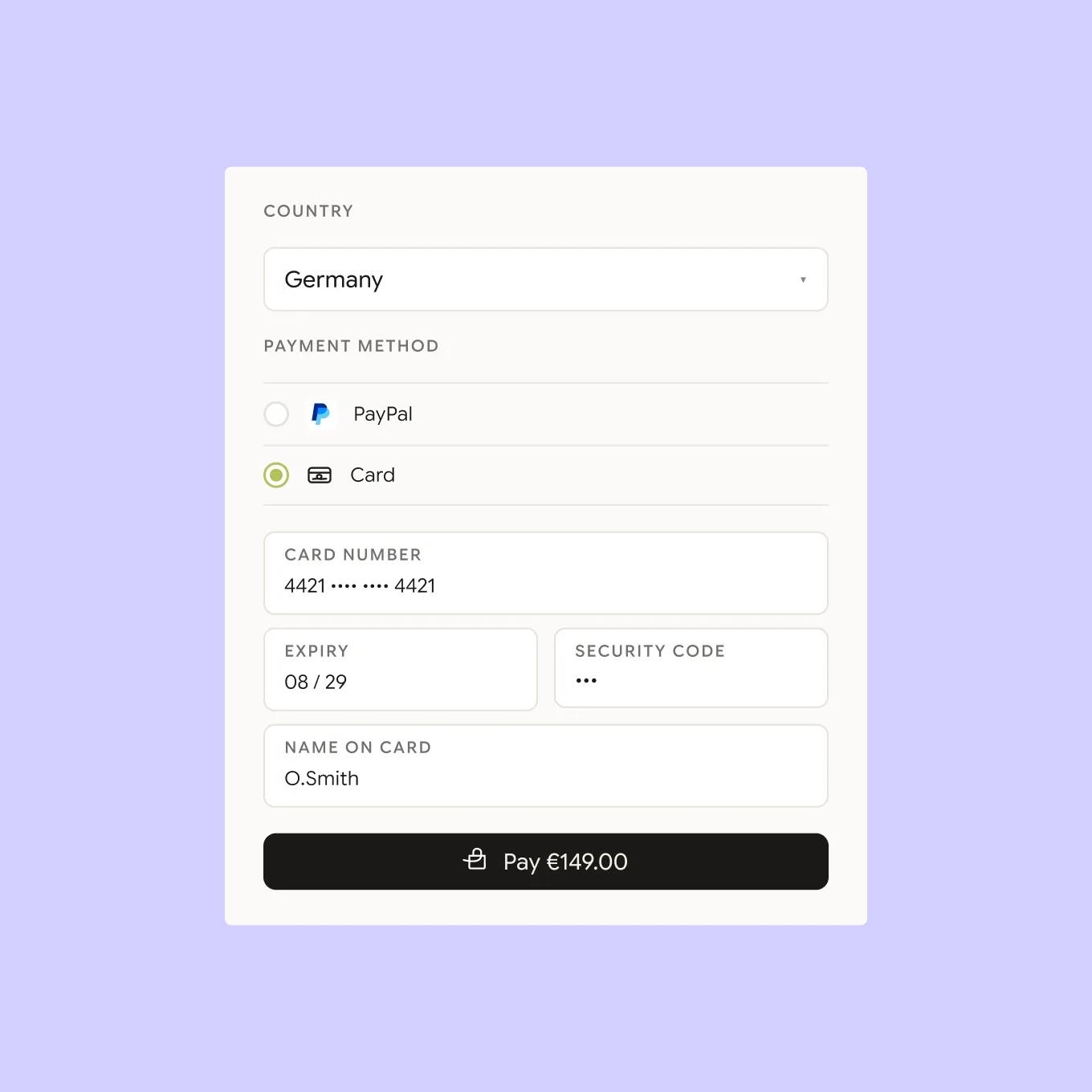
Secure fields, styled as yours. Card details never touch your systems, and the PCI burden sits with us.
The first checkout saves the card. The rest takes one tap.
Here is what happens to a card from the moment your customer types it in.
01 — Capture
Your customer enters their card in secure fields on your checkout. The number goes straight to the vault.
02 — Store
The card details are encrypted and kept in our vault, inside an isolated card environment.
03 — Tokenise
You get a token to use across your connected providers, plus a network token where the card network supports it. When the card changes, the stored details update in real time.
04 — Pay again
Next time, your customer just picks their saved card and pays, whichever provider the payment is routed to.

Everything it takes to get to Yes.
AI Payments Manager
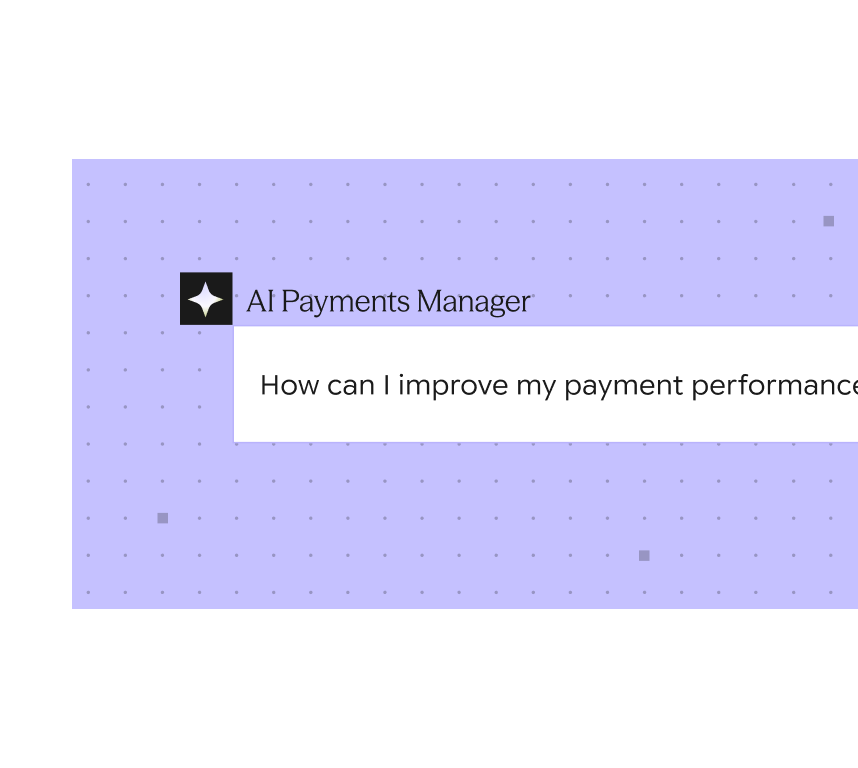
Explains your payments, gets more of them through on its own and shows you where to grow, all within your rules.
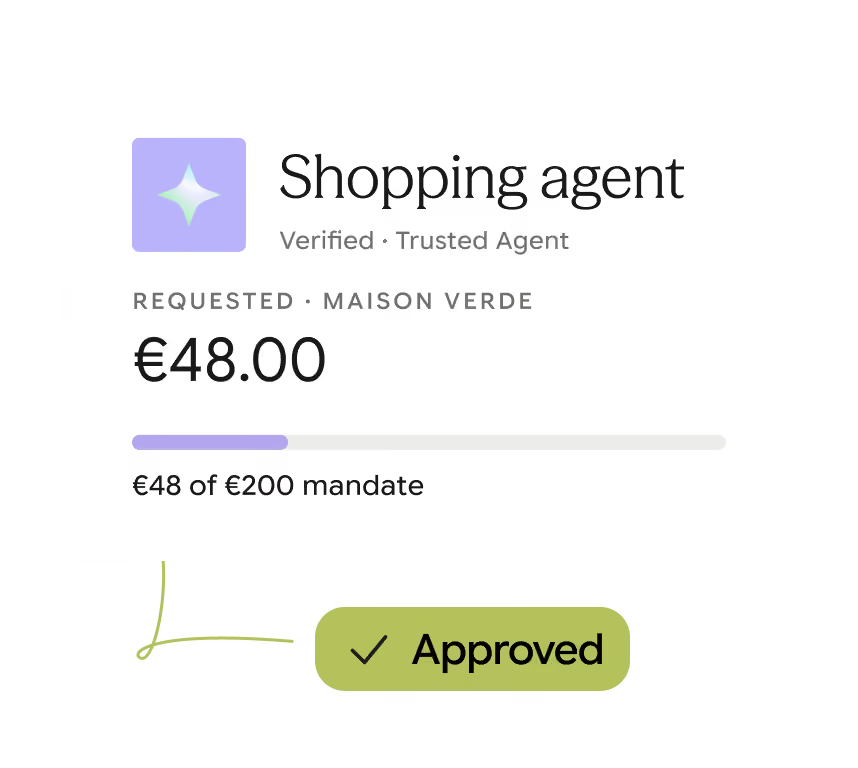
Agentic Commerce
Gets your checkout ready for AI shoppers through the integration you already have. Agents are verified, spending limits respected, and the setup handled for you.
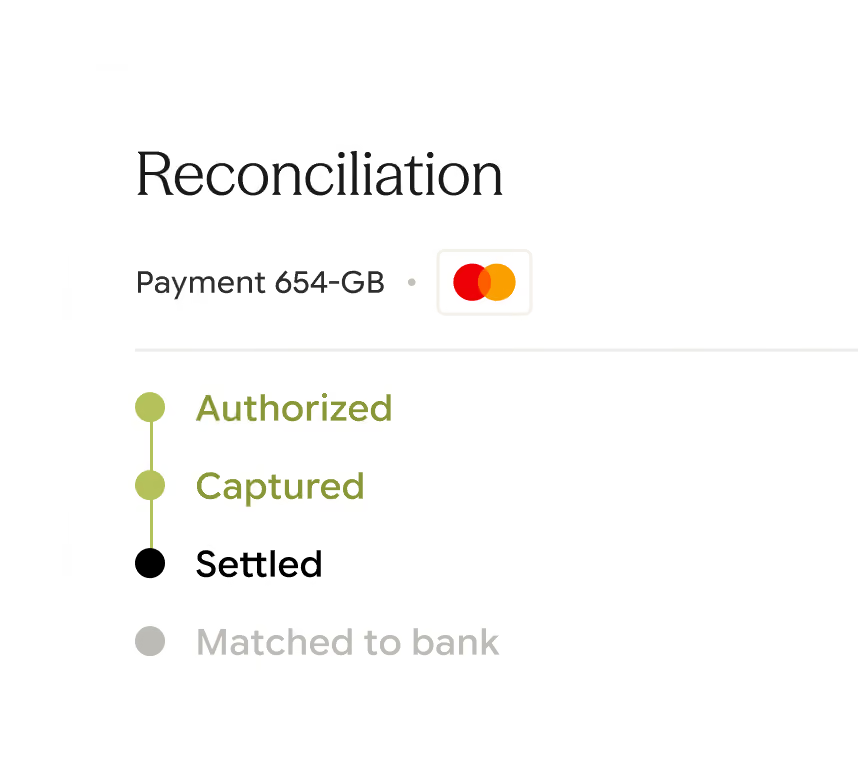
Reconciliation & Reporting
Reconciliation & Reporting puts every payment's full story in one place.
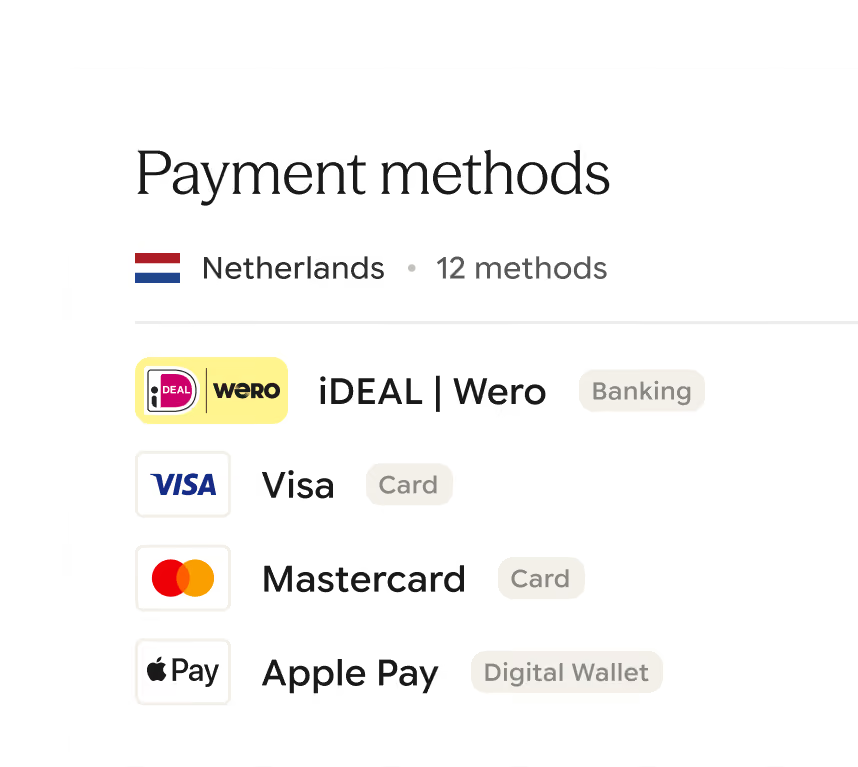
Checkout & Payment Methods
Checkout & Payment Methods gives every market the ways it already pays.
Frequently asked questions
What is the difference between a payment token and a network token?
A payment token from your vault stands in for the card across your connected providers. A network token is issued by the card scheme itself, such as Visa or Mastercard, and is tied to your business. The main difference is that a network token updates when the bank replaces or reissues the card. Your vault keeps both, and uses the network token wherever the card and provider support it.
Are tokens tied to one payment provider?
A payment token from the Upprove vault stands in for the card across your connected providers. A network token is issued by the card scheme, is restricted to the requestor that created it, and travels with a one-time cryptogram, which issuers approve more readily. The vault is built to hold both and to use the network token wherever the card and the provider allow it.
What happens to saved cards when a customer's card expires or is replaced?
When a bank reissues a card, for example after it expires or is reported lost, the stored details are refreshed in real time through network tokens and card updates from the schemes. Your next charge goes out on current details, so the payment does not fail just because the card changed.
Can tokens be used for repeat payments and subscriptions?
Yes. A stored token can be charged again for repeat purchases, top-ups and renewals, so your customer does not have to enter their card each time. Because the details keep up when a card changes, fewer renewals fail on an outdated card.
Does tokenisation reduce PCI scope?
Yes. Card numbers are captured in secure fields and go straight to the vault, so they never pass through or rest on your systems. Your business handles tokens, which keeps much of your stack out of PCI scope and makes your compliance work lighter. The card environment is certified to PCI DSS Level 1.
Is tokenisation the same as encryption?
They work together. Encryption scrambles data so that only the right key can unlock it. A token replaces the card number with a stand-in value that means nothing on its own. In the vault, card details are encrypted, and your systems only ever see the token.
Does Upprove hold my customers' payment funds?
No. Upprove provides payment orchestration technology. Payment processing, acquiring and settlement are provided by the merchant's contracted payment providers. Upprove does not receive or hold merchant settlement funds.


Keep the cards. Choose any provider.
Store cards once, keep them up to date, and use them across your connected providers. Your customers keep paying in one tap.